
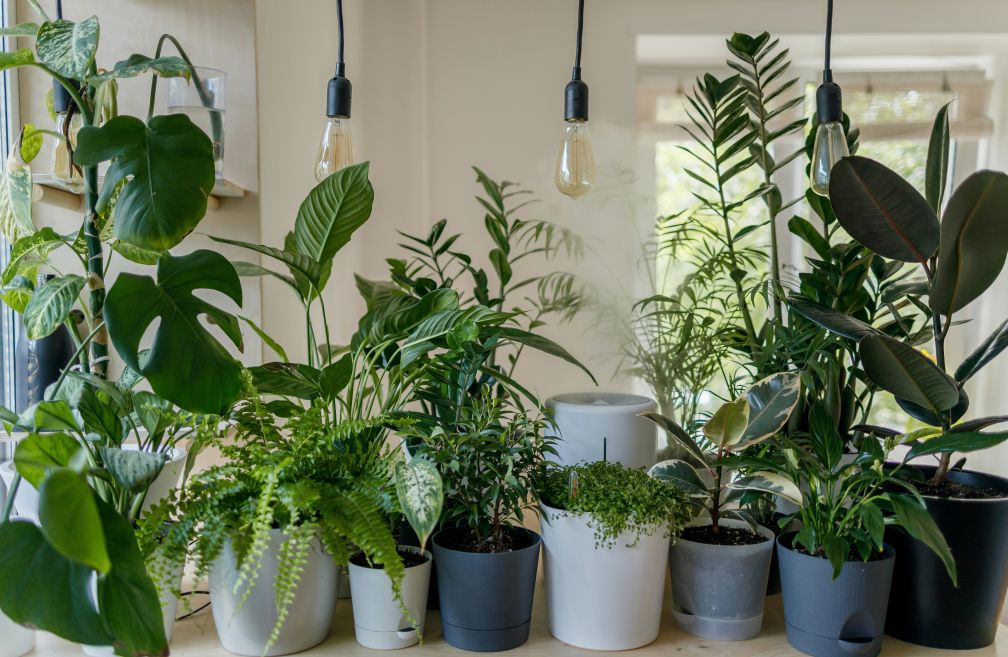
What are indoor plants?
Indoor plants for home and office are the plants that grow indoors. In nature there is no such thing as indoor plants. Plants that grow below the shade of a tree or canopy are suitable for indoors. There are a variety of tropical plants, like palms, that thrive in indoor environments. These kinds of plants are popular because they are relatively easy to take care of, provide health benefits and can be used in a variety of indoor décor themes. Indoor plants for home are a great option for those who have no little yard space for an outdoor garden or for those who live in extreme climates.
Which plants are considered indoor plants?
Plants that require a low amount of light and water to thrive are typically known as indoor plants for home.
What are the best indoor plants for home and office purposes?
Good indoor plants for home will tolerate lower light and humidity. Also, they will be less likely to deal with pests. Plus, they usually do not grow too much (you wouldn’t want an indoor plant to grow at a rapid rate). The best indoor plants for home include the following:
- Aglaonema – It is attractive, tolerates low light, and does not grow too quickly.
- Dieffenbachia – Dieffenbachia plants are popular indoor plants largely because they do well in shady conditions, but these plants do appreciate bright light during the winter months
- Succulents – Make sure you give them bright light.
- Dracaenas – They do well indoors.
- Philodendrons – Very popular indoor plants for home.
How do you plant indoor plants?
Most of the time, indoor plants for home are already in containers, so there is no need to plant them. Typically the only reason you need to plant an indoor plant is if your plant is getting too big, when you will need to replant it into a larger container.
How much light do indoor plants need?
Succulents and cacti need continuous, daily sunlight. Indoor plants for home with foliage need roughly 8 hours of light per day. The amount of light depends on the plants you are growing. A good nursery/experienced grower can provide advice on the specific local plants you can grow in your indoor space.
What qualities make for a good plant at indoors?
There are some qualities to look for when selecting an indoor plant for home. A good root system – This is incredibly important when choosing a plant. It’s not practical to pull a plant out of its pot to check its roots but if it is a small plant, this can be done. Healthy roots are thick and light in color. Foliage- Here’s a good rule of thumb when it comes to plant’s foliage: if you can’t see through it, the foliage is thick enough.
What are examples of some common indoor plants?
Examples of common indoor plants for home include: Aglaonema, Dracaena, Ferns, Philodendrons, Palms, Pothos, Spathiphyllum, Succulents.
What are some of the common reasons indoor plants die?
Some of the most common reasons indoor plants for home die are:
- Incorrect potting soil.
- Overwatering or under watering.
- Light Levels (either not enough light or too much light)
- Gross neglect.
How long do indoor plants typically live?
On average, indoor house plants last 2-5 years. After that, indoor plants for home stop thriving and it’s best to invest in another plant.
Which indoor plants improve air quality the most?
All indoor plants can act as air purifiers but the following plants are more beneficial than others: Red-Edged Dracaena, Weeping Fig, Bamboo, Palm.
How do plants affect people’s mood?
People are often surprised on how beneficial indoor plants for home are. While they bring nature indoors, not only do indoor plants clean the air, but they also reduce noise levels and contribute to reducing stress in the workplace.
Indoor Plants Care
Taking care of indoor plants involves providing the right conditions for their growth and addressing their specific needs. Here are some general tips for indoor plant care