
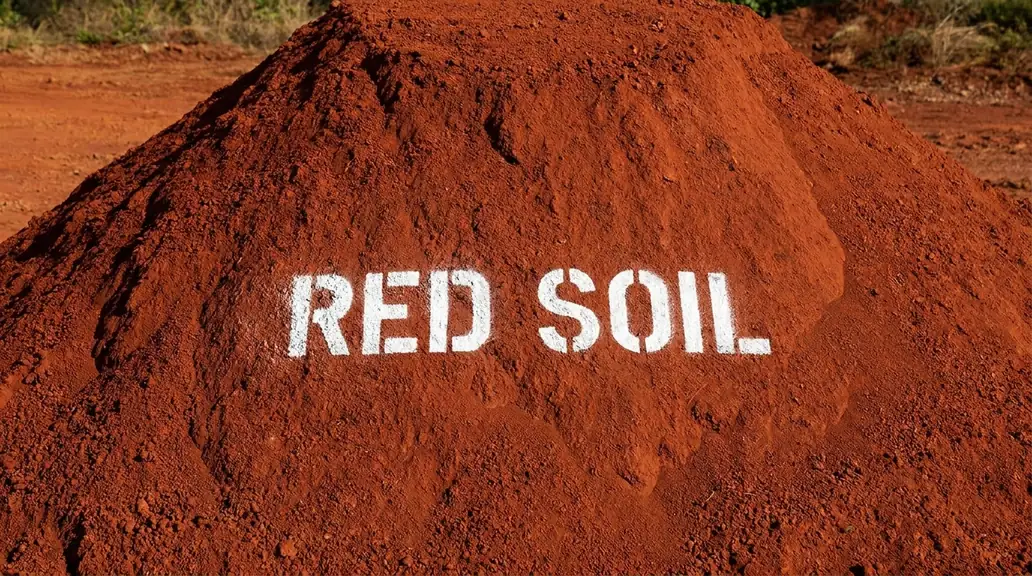
If you’ve ever picked up a bag of red soil at a nursery and wondered whether it’s actually right for your balcony or terrace garden, you’re not alone. Red soil is one of the most commonly recommended (and most misunderstood) growing mediums in Indian gardening — and for urban gardeners working with limited space, containers, and unpredictable weather, knowing how to use it well can make the difference between a thriving garden and a struggling one.
This guide breaks down exactly what red soil is, why it matters for container and balcony gardening, how to use it correctly, and where it falls short — so you can decide if (and how) it belongs in your gardening setup.
What Is Red Soil, Exactly?
Red soil gets its distinctive colour from iron oxide content — essentially, it’s rich in iron that has oxidised over time, similar to how rust forms. It’s naturally found across large parts of southern and eastern India, including much of the Deccan Plateau region that Bangalore sits on, which is part of why it’s such a commonly available, affordable growing medium in local nurseries.
Compared to black soil (rich in clay, moisture-retentive, common in Maharashtra and parts of Karnataka) or pure potting mixes (engineered blends of coco peat, compost, and perlite), red soil sits somewhere in between — a natural, mineral-rich soil that’s neither too heavy nor too light on its own.
Why Urban Gardeners Should Care About Red Soil
For anyone gardening in pots, grow bags, or a small terrace setup, the growing medium matters more than it does for someone with open ground — there’s no surrounding earth to buffer mistakes, no natural drainage into the water table, and often far less room for trial and error.
Here’s where red soil genuinely helps:
1. Good aeration and root penetration Red soil has a naturally granular structure, which means plant roots can spread through it more easily than through dense clay soils. For container plants — especially vegetables, flowering annuals, and many houseplants — this translates to healthier root systems.
2. Mineral richness Because of its iron oxide content and typical mineral profile, red soil naturally supplies trace elements many plants need, reducing (though not eliminating) your dependence on added fertilizer.
3. Affordability and availability In most parts of urban India, red soil is inexpensive and widely available — a real advantage if you’re setting up multiple pots or a larger terrace garden on a budget.
4. A solid base for soil mixing On its own, red soil isn’t perfect (more on that below) — but as a base that you blend with compost, cocopeat, or vermicompost, it becomes a genuinely strong all-purpose growing medium for container gardening.
The Catch: Why You Shouldn’t Use Red Soil Alone
This is the part most first-time gardeners get wrong. Straight red soil, used by itself in a pot, tends to cause problems:
- Poor water retention — red soil drains quickly, which sounds good until you realise it also dries out fast, especially in small containers exposed to sun and wind on a balcony
- Compaction over time — without organic matter mixed in, red soil can compact and harden, restricting root growth and making it harder for water to penetrate evenly
- Low organic content — red soil alone doesn’t hold onto nutrients well, meaning frequent fertilizing becomes necessary
The fix is simple: never use red soil alone in containers. Always blend it.
The Right Way to Use Red Soil in Containers
Recommended base mix for most container plants:
- 40% Red soil
- 30% Compost or vermicompost
- 20% Cocopeat
- 10% Sand or perlite (for extra drainage)
For water-sensitive plants (succulents, cacti): increase sand/perlite to 20-30% and reduce cocopeat, since these plants need faster drainage.
For thirsty plants (leafy vegetables, flowering annuals): increase compost/vermicompost slightly to improve water and nutrient retention.
A simple rule of thumb: if you can only remember one ratio, aim for roughly 1 part red soil : 1 part organic matter (compost/vermicompost/cocopeat combined), then add a handful of sand per pot for drainage.
Which Plants Suit a Red Soil Mix?
Red soil-based mixes work well for a wide range of urban garden favourites, including:
- Tomatoes, chillies, and most leafy vegetables
- Marigold, hibiscus, and other flowering annuals/shrubs
- Money plant, philodendrons, and many common indoor foliage plants
- Herbs like tulsi, mint, and coriander (with good drainage added)
Plants that generally prefer a different base (like pure cocopeat mixes for orchids, or sandy mixes for succulents) will still benefit from a small proportion of red soil for its mineral content — just not as the dominant ingredient.
Common Mistakes Urban Gardeners Make with Red Soil
- Using it straight out of the bag, unmixed — leads to compaction and poor drainage over a few months
- Overwatering, assuming it holds water like potting mix — red soil drains faster than most gardeners expect
- Skipping drainage holes — red soil’s tendency to compact makes proper pot drainage even more essential than usual
- Not refreshing the mix — container soil (red soil-based or otherwise) depletes over 6-12 months and needs replenishing with fresh compost
Frequently Asked Questions
Is red soil good for all plants? No single soil suits every plant. Red soil is a strong base for most common container plants when blended correctly, but plants with very specific needs (like orchids or cacti) do better with specialised mixes.
Can I use red soil for terrace vegetable gardening? Yes — red soil blended with compost is one of the most popular and effective choices for terrace vegetable gardens across Indian cities, including Bangalore.
How often should I replace red soil in my pots? Top up or refresh with fresh compost every 6 months, and consider a full soil refresh every 12-18 months for long-term potted plants.
Is red soil the same as garden soil? Not exactly — “garden soil” is a general term that can refer to whatever soil type is native to a given area. Red soil is one specific type of naturally occurring soil, common across southern and central India.
Red Soil: Pros and Cons at a Glance
| Pros | Cons |
|---|---|
| Widely available and affordable | Drains too quickly if used alone |
| Good aeration, supports healthy root growth | Compacts over time without organic matter |
| Naturally rich in minerals and trace elements | Low in organic nutrients on its own |
| Blends well with compost, cocopeat, and vermicompost | Not ideal for water-loving or very sensitive plants without adjustment |
| Suitable as a base for most container and terrace plants | Needs to be refreshed/replenished periodically |
| Works well in Bangalore’s climate and common local plant varieties | Requires proper drainage holes to avoid waterlogging risk when compacted |
The Bottom Line
Red soil isn’t a “perfect” soil on its own — but very few soils are. Used as a base, blended thoughtfully with compost, cocopeat, and a bit of sand for drainage, it becomes one of the most practical, affordable, and effective growing mediums for urban container gardening in Indian cities.
If you’re setting up a new balcony garden, terrace vegetable patch, or simply repotting a few houseplants, a good red soil mix is a solid place to start — just remember: never straight, always blended.
Looking for quality red soil for your garden? Bhoomi Garden Centre offers red soil in both 1kg-5kg and 10kg-25kg packs, perfect for anything from a few balcony pots to a full terrace garden setup. Shop now or visit us in HSR Layout, Bangalore.
Related Posts
Indoor Plants which are easy to take care of
Adding greenery to your home doesn’t have to be high-maintenance. Whether you’re a beginner, a frequent traveler, or just someone with a hectic schedule, these indoor plants are forgiving, beautiful, and practically take care of themselves. Here’s a list of the top 10 indoor plants that are low on demand but high on charm.
All About Indoor Plants: Read it before you buy plants for your home or office
What are indoor plants? Indoor plants for home and office are the plants that grow indoors. In nature there